Man With Van Catford

Need man with van services in Catford for moving, collection or delivery work that fits neatly around your plans? Our service is built around practical transport, careful loading and straightforward support for homes and small businesses. We help with the movement of furniture, boxed items, household contents and other bulky goods, with the aim of making the journey from one address to another feel organised rather than complicated.
The service is suited to customers who want a flexible vehicle and hands-on loading support without booking a larger removal operation than they need. For that reason, people often use it for single items, partial moves, student moves, eBay purchases, storage runs and light office transport. If you already know what needs to go, a clear list of items and access details will help shape the work. You can also request a quotation once you have the basics ready.
We keep the process focused on the move itself: what is being carried, where it is going, and whether anything needs extra handling. That might include awkward furniture, stairs, limited parking or a collection point with tight access. A good plan lets the vehicle, loading method and journey be matched to the job. Simple instructions, accurate timing and realistic expectations make a noticeable difference.
Household moves and smaller removals
Our house removals support is suitable for customers who are moving a flat, a small home or selected rooms from one property to another. It can include furniture, white goods, boxes, soft furnishings and everyday belongings that need to be carried securely. Where the job does not call for a full-scale removal crew, a man and van approach can offer a practical balance between support and simplicity, especially when the quantity of items is manageable but still too much for a car.
For many domestic jobs, the value lies in reducing the physical strain and keeping the move structured. That includes lifting help, loading order and sensible use of van space so that items travel in a stable arrangement. If there are beds to dismantle, wardrobes to manage or delicate pieces that need added care, those details should be identified early. Home moves are often easiest when the plan is matched to the exact mix of furniture, boxes and access conditions rather than treated as a one-size-fits-all job.
In practical terms, it helps to think about the service in stages. First is the collection point, then the loading sequence, then the journey, and finally the unloading at the destination. Each stage has its own handling needs. A narrow stairwell, a lift with weight limits or a ground-floor delivery with a long carry can change the way the work is arranged. Clear information at the start makes it easier to understand the labour required and the time the move may take.
Furniture, single items and specialist lifting
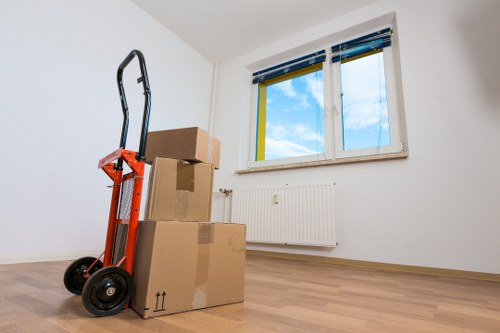
Not every booking is a full move. Some customers simply need a sofa, wardrobe, bed frame, appliance or other large item collected and delivered with care. That kind of work benefits from a service that is built around careful loading and secure transport rather than volume alone. Our furniture pick-up work can suit private buyers, sellers, landlords and households replacing individual pieces. It also helps when items need to move between storage, showroom, home and workplace.
Large furniture can present different challenges from boxed goods. A sofa may be bulky but manageable; a sideboard may be heavy and vulnerable to knocks; a wardrobe may need disassembly before it can pass through a doorway. The right method depends on the item rather than the category. When assessing a job, we look at the dimensions, the need for handling assistance and whether the collection and delivery points allow easy access. That keeps the move practical and avoids surprises on the day.
Useful preparation is straightforward. It is normally enough to confirm what the item is, where it is coming from, where it is going and whether anyone will be there to assist at either end. If the item has fragile surfaces, detachable parts or lifting constraints, note those early. That allows the work to be carried out with appropriate care. Furniture pick-up is especially helpful when the item is too awkward for a standard car but does not need a full removal team.
Packing support, loading order and practical planning
Moving work is easier when the packing and loading sequence is sensible. Boxes should be labelled clearly where possible, fragile items should be cushioned properly and loose parts should be kept together so nothing is lost between doors. Our packing and unpacking services can support moves where the customer wants a more organised handover of belongings, particularly when time is limited or the contents include a mixture of breakables and everyday household items.
Loading order matters because a van is not just a container; it is a moving space that needs balance and secure placement. Heavier items usually need to sit lower and be positioned so they do not shift. Softer goods can help protect edges, while straps and blankets may be used where appropriate. Careful arrangement makes unloading easier too, because the things needed first are not buried beneath everything else. This is one reason some customers prefer a man with van option over a simple courier collection.
If you are arranging a move, two details are especially useful: a concise list of the items and a note of the access conditions at both ends. That might include stairs, parking distance, restricted entry times or whether the vehicle can stop close to the door. If you need to compare move sizes, think about how many people are needed to lift safely and whether any items need dismantling before travel. A well-described job is easier to plan and easier to price.
Office removals and commercial transport
Small offices, equipment and records
Our commercial moves and office removals support is designed for businesses that need desks, chairs, filing, stock or equipment transported without unnecessary disruption. It can suit small offices, studios, clinics, shops and home-based businesses moving contents between premises or into storage. Where timing matters, it is useful to separate essential items from non-essential ones so the most important equipment can be handled first and the workspace returned to use in a sensible order.
Commercial work often requires a little more structure than domestic moving because there may be multiple departments, labelled crates, access restrictions or shared entrances to consider. The load may include monitors, printers, archive boxes, shelving and other items that benefit from careful grouping. A single vehicle can often handle a compact business move, provided the contents are described accurately. Office removals are usually best approached with a clear sequence for packing, loading, transport and unloading so that items arrive in the right order.
When preparing a business move, it helps to identify which items are fragile, which are awkward to carry and which are needed immediately after delivery. That avoids unnecessary searching once the van is unloaded. If you have stock or files that need to stay together, keep them grouped and marked in a way that is easy to follow. For many customers, the real advantage of a man and van service is that it can move commercial goods without requiring a large relocation plan.
Collection, delivery and van hire style transport
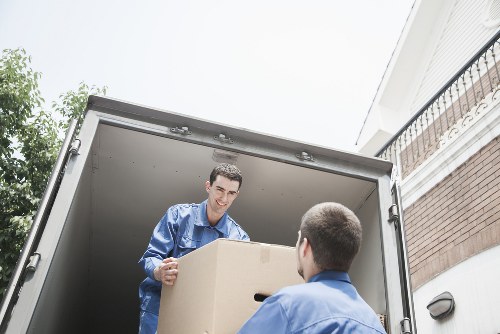
Some jobs are about movement rather than relocation. A customer may need items collected from a seller, a shop, a warehouse or a storage unit and taken directly to a property or business address. In those cases, the service functions as flexible transport with loading help. Our removal van and moving van options suit items that need space, protection and sensible handling during transit, without committing to a larger removal package than the job requires.
This kind of work is useful when time windows are tight or the item is too large for ordinary transport. It can be ideal for appliance collections, marketplace purchases, seasonal stock movement and short local deliveries. The main thing is to match the van size to the load and to make sure the item can be loaded safely. Moving van and related transport options are most effective when the contents are described in practical terms rather than vague estimates.
There are a few good habits that make these jobs easier. Confirm the collection and delivery points, check whether there are stairs or lifts, and mention anything that needs two-person handling. If the item has packaging that should not be removed or a seller with limited loading time, say so before the booking is fixed. A little preparation keeps the transport straightforward and reduces the risk of avoidable delays at either end.
Service choices and how the work is arranged
Not every customer needs the same arrangement, so it helps to choose the service type that best fits the size and shape of the job. Some people want a simple man with a van for a few items, while others need help with a fuller house move, office relocation or a specific furniture collection. We can adapt the work to suit the load, access and destination rather than forcing the job into a fixed format. That flexibility is one of the main reasons customers choose this kind of transport.
If you are deciding between service types, think about three things: the quantity of items, the degree of lifting support needed and the distance between addresses. A compact set of boxes may only need a straightforward transfer, while a mix of furniture and household goods may benefit from a more structured move. For customers comparing options, man and van transport can sit neatly between self-move arrangements and larger removal services. It gives more support than a self-drive hire only approach, but it remains focused on the actual load rather than excess complexity.
Good communication is usually enough to make the booking manageable. List the main items, explain any access limits and say whether the move involves ground-floor, upper-floor or storage access. If you are not sure how much space the load will need, describe the largest pieces first and then the remaining boxes. We can use that information to shape the work sensibly. For many customers, clarity at the start is the quickest route to a practical quote.
About Catford
Catford is a district in the London Borough of Lewisham in south-east London, centred on Catford Road and the junctions around Catford Broadway. The area is known for its mixture of civic buildings, residential streets and transport connections, with Catford and Catford Bridge stations providing rail links that place it within easy reach of central and wider south London. The district developed significantly in the late nineteenth and early twentieth centuries as suburban London expanded, and traces of that growth can still be seen in the street pattern, housing stock and local parade centres. A notable landmark is the Catford Centre, a long-standing shopping development that has been part of the area’s commercial landscape for decades, while the broader district also includes the River Ravensbourne corridor and green spaces such as Mountsfield Park and Ladywell Fields nearby. Architecture in Catford ranges from interwar housing and post-war developments to older terraces and civic structures, creating a varied urban character rather than a single uniform centre. The area also has cultural associations, including the Broadway Theatre and the much-discussed Catford Cat sign that has become one of the district’s most recognisable visual symbols. Its blend of transport links, local commerce, everyday residential life and pockets of open space gives Catford a clear identity within south London while also connecting it closely to surrounding neighbourhoods such as Hither Green, Forest Hill and Lewisham.
Pricing factors and what affects the quotation
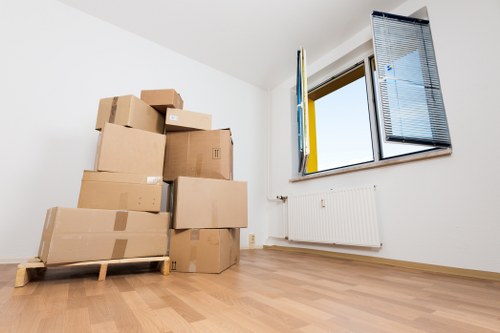
Quotes for man with van work usually depend on practical details rather than a single flat idea of the job. The amount of load space required, the number of people needed to move heavy items, the distance travelled and the complexity of access all affect the work involved. If there are multiple stops, long carries, narrow staircases or items that need dismantling, these points should be included from the outset so the quotation reflects the real task.
For customers, the most helpful information is often simple and specific. Describe what is being moved, where it is going, and whether anything is particularly fragile, bulky or awkward. If you know the approximate number of boxes, the type of furniture and any timing restrictions, those details are useful too. A pricing and quotes page can be a helpful place to check how the service is approached before you ask us to look at a particular move.
Clear information helps avoid guesswork. If a job includes items from storage, a garage, a loft or a basement, say so, because those locations often involve different handling than a straightforward ground-floor room. Likewise, if parking is limited or loading is likely to involve a walk from the vehicle to the entrance, that should be included. The goal is not to make the request complicated; it is to make it accurate enough that the quote and the plan match the work.
Booking details and final arrangements

When you are ready to go ahead, the final stage is usually to confirm the collection address, destination, preferred date and the items included in the move. If there are stairs, a lift, restricted access or a parking issue, mention those before the job is confirmed. It is also sensible to say whether any items need protection, whether there are fragile parts and whether someone will be present to help at either end. Those points keep the arrangement clear and manageable.
For many customers, a short written summary is enough: what needs moving, where it is coming from, where it is going, and whether there are any handling notes. That keeps the focus on the actual task rather than on unnecessary detail. If you want to compare options across services, pages such as removal services and removals can help you understand the broader range of work available, while the booking itself can remain specific to your own load.
If you are preparing to ask for a quotation, keep it simple and complete. A brief list of the main items, the number of floors involved and any access limitations is usually enough to start. From there, we can look at the most suitable approach for the move. If you are ready, contact us to request a quotation and outline the job in your own words.