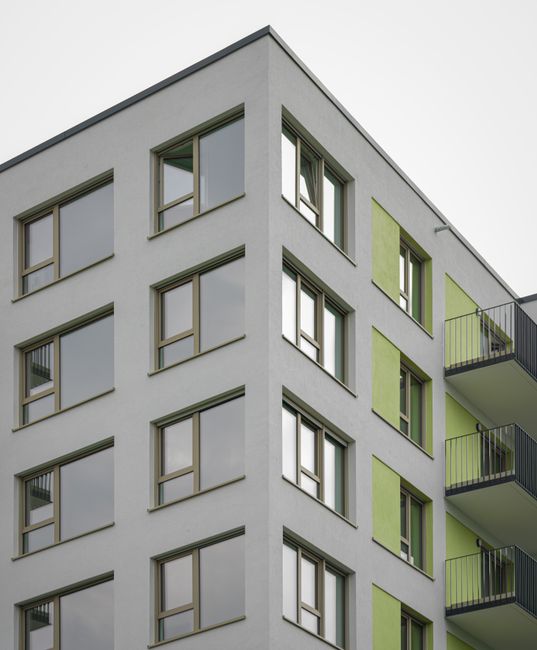
Rushey Green removals guide for flats and estates
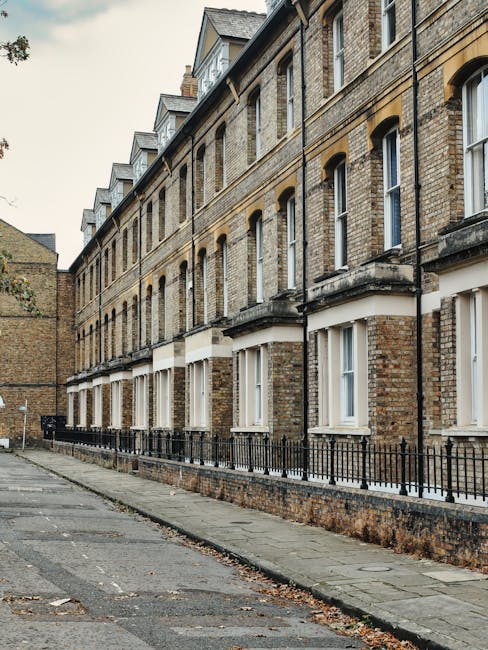
Moving in Rushey Green can be straightforward on paper and a bit awkward in real life. Flats with tight stairwells, shared entrances, lift bookings, parking limits, and estate rules can all turn a simple move into a logistics puzzle. This Rushey Green removals guide for flats and estates is here to make that puzzle easier to solve.
Whether you are leaving a top-floor flat, moving into a managed estate, or helping a tenant swap homes between two busy streets, the key is planning. Get the access right, keep communication clear, and choose the right vehicle and team for the job. That sounds simple, and mostly it is. But let's face it, the details are where moving days go wrong.
Below you will find practical advice on how flat and estate removals usually work in the Rushey Green area, what to check before the van arrives, how to avoid avoidable delays, and how to make the move feel calmer. A little preparation goes a long way here.
Why Rushey Green removals guide for flats and estates Matters
Flats and estates have different moving pressures from a typical house move. In Rushey Green, the challenge is usually not the distance. It is access. You may be dealing with narrow shared hallways, residents coming and going, lift reservations, permit-sensitive parking, and estate managers who quite reasonably want notice before a van blocks the access road.
This matters because small access issues can create big delays. A couple of minutes spent carrying one awkward wardrobe down three flights of stairs becomes half an hour. Then add a misjudged parking spot, an overpacked trolley, or a missing booking slot for the lift, and the whole day starts to feel frayed. Nobody enjoys that. Nobody.
Good removals planning protects your belongings too. Flats often mean more carrying, more corners, and more chances to bump walls or scuff door frames. A careful plan reduces damage, reduces stress, and keeps the move feeling orderly instead of frantic.
It also matters for neighbours. Shared spaces are only truly shared when everyone wants to use them at the same time. A well-run move is quieter, tidier, and less disruptive. That is good manners, but it is also good logistics.
If you are comparing options and want a broader overview of the service side, it may help to look at the main removals service and the wider home moves page for context.
How Rushey Green removals guide for flats and estates Works
A flat or estate removal usually follows the same basic structure as any move, but with more emphasis on access planning. The process starts with the property layout. How many floors? Is there a lift? Is the entrance shared? Is there a loading bay, a gate code, or a resident-only parking zone? Those questions matter a lot more than people expect.
From there, the job is usually matched to the right vehicle and crew. A smaller load might suit a man and van style move, while larger flats or multi-stop moves may need a more structured team and a bigger vehicle such as a moving van or moving truck. The right fit depends on volume, access, and how much lifting is involved. Truth be told, the wrong vehicle is one of the easiest ways to make a move harder than it should be.
Estate moves also tend to involve coordination. You may need to book a lift slot, notify a concierge, speak to a building manager, or arrange a specific time window. In practice, this is less about paperwork and more about avoiding friction on the day. Clear timing means fewer people standing around wondering why the sofa is still in the hallway.
A good removal plan also includes packing, disassembly, protection, and unloading order. The best teams do not just move boxes; they think through the sequence. That is what keeps the move smooth.
Key Benefits and Practical Advantages
There are a few reasons a well-planned flat or estate move is worth the effort. Some are obvious, others only become obvious when you are halfway down a staircase with a mattress and a quiet sense of regret.
- Less wasted time: When access is mapped out before moving day, the team spends more time moving and less time solving preventable problems.
- Lower damage risk: Protective wrapping, careful carrying, and sensible stacking reduce knocks to furniture and walls.
- Better neighbour relations: A move that is tidy and efficient causes less disturbance in a shared building.
- More realistic vehicle planning: Choosing the right van size helps avoid multiple unnecessary trips.
- Less stress for you: When the practical details are handled early, you can focus on the personal side of moving.
Another big benefit is predictability. With flats, predictability is gold. When everyone knows the arrival window, the route in, the lift rules, and the unloading plan, the whole day feels more controlled. That sense of control matters, especially if you are moving with children, working from home, or juggling a tenancy handover at the same time.
For people who want help with packing as part of the job, the packing and unpacking services option can save a lot of last-minute scrambling.
Who This Is For and When It Makes Sense
This guide is for anyone moving from or into a flat, maisonette, or estate property in Rushey Green. That includes private renters, housing association tenants, leaseholders, landlords arranging a changeover, and homeowners moving between apartment blocks. It is also useful if you are supporting an older relative or helping a friend who has not moved in years and would rather not think about boxes any more.
It makes particular sense if any of these apply:
- You are moving from a top-floor flat without easy lift access.
- Your estate has parking controls or a limited loading area.
- You need to work around a building manager, concierge, or access code.
- You have bulky items such as beds, wardrobes, white goods, or corner sofas.
- You need a same-day move-in and move-out with little room for delays.
- You are trying to keep disruption low for neighbours or shared corridors.
If your move is smaller, quicker, and you do not have much furniture, a more compact option may be enough. If the load is larger, or if access is fiddly, it is smarter to choose a team that understands building constraints rather than just moving volume.
Some customers also move mixed loads - a bit of furniture, some boxes, maybe a bike or a bookcase that has lived in the hallway too long. In those cases, a flexible service such as man with van can be a practical fit.
Step-by-Step Guidance
Here is a simple, workable sequence for a Rushey Green flat or estate move. It is not flashy, but it does the job.
- Check the building access rules. Ask about lift use, booking windows, entrance codes, loading restrictions, and any estate-specific instructions.
- Measure the awkward items. Sofas, mattresses, wardrobes, and washing machines can be the difference between a smooth move and a stuck-in-the-doorway situation.
- Sort parking early. If the van needs to stop close to the entrance, plan the parking option in advance. Even a short walk adds time and strain.
- Pack room by room. Label boxes clearly. Keep essentials separate. A kettle, charger, paperwork, and a change of clothes should not be buried under winter coats.
- Protect the property. Use covers, blankets, and floor protection where necessary, especially in shared hallways and lifts.
- Load in a sensible order. Heavy and durable items first, then more delicate pieces. Think in terms of delivery order, not just pile everything in.
- Confirm arrival details. Make sure the mover knows the entrance, floor level, contact number, and any timing restrictions.
- Do a final sweep. Check cupboards, utility areas, balcony spaces, and behind doors. The lost remote control has a strange habit of hiding at the very end.
A small but useful habit: keep a single "first-night" bag with keys, medication, snacks, phone charger, and basic toiletries. It sounds obvious, yet it is the one thing people forget when they are tired and running on tea and adrenaline.
Expert Tips for Better Results
In our experience, the best flat and estate moves are usually the ones where someone has thought one step ahead. Not ten steps. Just one. That is enough.
1. Build around the building, not around the van
People often start with the vehicle and work backwards. Better to begin with the building. If the lift is small, the corridor is narrow, or the loading area is awkward, the vehicle choice should reflect that. A slightly smaller van with a better access plan can outperform a larger vehicle that creates congestion.
2. Keep fragile items grouped together
When fragile boxes are mixed in randomly, everyone has to treat every box like glass. That slows everything down. Group fragile items, label them clearly, and tell the movers where they are. It really does help.
3. Use simple labels
"Kitchen," "Bedroom 1," "Study," and "Open first" beat vague labels every time. Avoid handwriting that looks like a doctor's prescription after three coffees.
4. Make the exit route clear
Shared buildings can get cluttered quickly. Bags on the floor, a pram by the door, a parcel in the corner. Before moving starts, clear the route from flat to van. A straight line saves energy and prevents clumsy moments.
5. Plan for weather, even if the morning looks fine
London weather likes surprises. A dry start can turn into drizzle by lunch. Keep coverings ready, especially if you are moving between blocks with exposed entrances or open walkways.
If you are worried about value items or whether the team is properly covered, the insurance and safety information is worth reviewing before you book.
Common Mistakes to Avoid
Most problems in flat moves are predictable. That is the annoying part, honestly. They are also avoidable.
- Leaving access checks too late: Discovering the lift is booked or the gate code is missing on moving morning creates instant stress.
- Underestimating stair time: One trip per item is rarely the real story. Think in multiple trips and in awkward turns.
- Packing without labels: You will waste time at the destination if every box looks the same.
- Choosing the wrong size vehicle: Too small means extra journeys; too large can mean access headaches.
- Forgetting building protection: Shared hallways need care. So do lift interiors and doorway edges.
- Not checking what the estate allows: Some estates are fine with short loading stops; others are not. Guessing is a bad strategy.
One more common mistake: assuming moving day is only about the move itself. It is also about the handover, the keys, the building access, and the timing at the new place. Miss one bit and you can end up waiting outside with a box of mugs and a slowly fading smile.
Tools, Resources and Recommendations
You do not need fancy tools to move well, but a few practical items make the day easier.
- Strong boxes and tape: Use decent-quality packing materials so boxes hold shape when stacked.
- Protective blankets or wraps: Helpful for tables, mirrors, and anything with edges or finishes that scratch easily.
- Furniture sliders or dolly trolleys: Useful for short internal moves, especially on hard flooring.
- Markers and labels: Clear, simple, and visible from a distance.
- Door and floor protection: Worth it in older buildings and shared areas.
- A basic toolkit: For bed frames, shelving, and any item that needs quick disassembly.
For people moving a few pieces rather than a full household, a flexible service such as man and van removals can make sense. If the move is more substantial, browsing the broader removal services overview may help you compare what fits.
And if you are just trying to work out the best price structure, the pricing and quotes page is the sensible next stop. No one enjoys hidden surprises, especially not on moving day.
Law, Compliance, Standards, or Best Practice
For flat and estate removals, the most useful approach is to follow ordinary UK moving best practice with care around safety, access, and property protection. In practical terms, that usually means confirming who is responsible for access arrangements, checking whether the building has rules for contractors, and making sure the move does not create avoidable hazards in shared areas.
There is also a common-sense safety side. Heavy lifting should be planned rather than improvised, especially on stairs or in narrow hallways. Items should be carried with enough people, the right equipment, and clear communication. That sounds obvious, but when people are rushing, obvious things get skipped.
If there are parking restrictions, loading limits, or estate manager instructions, treat them as part of the job rather than a nuisance. They are there to keep everyone moving safely. Best practice is to confirm those details early, then build the move around them.
For anyone who wants to understand working standards and general responsibility, a company's health and safety policy and terms and conditions can be useful reading before booking. Not glamorous, maybe, but very useful.
Options, Methods, or Comparison Table
Different moves need different approaches. Here is a quick comparison to help you decide what feels realistic for your flat or estate move.
| Option | Best for | Strengths | Watch-outs |
|---|---|---|---|
| Self-move with hired transport | Very small loads, simple access | Lower upfront cost, more control | More lifting, more time, more risk if access is awkward |
| Man and van service | Small to medium flat moves | Flexible, often quicker for local jobs | May be less suitable for large furniture sets or multiple floors without planning |
| Full removal team | Larger flats, estates, or more fragile loads | More hands, better for heavy items and efficient loading | Usually needs more booking detail and planning |
The right choice depends on your load, building layout, and how much help you want on the day. A small flat with two boxes and a table is one thing. A two-bedroom estate flat with stairs, white goods, and a tight loading bay is quite another.
If you want a broader sense of vehicle and crew options, the pages for man with a van, movers, and removal company can help you compare the style of service rather than just the price.
Case Study or Real-World Example
Here is a realistic example from a typical Rushey Green-style flat move. A renter was leaving a second-floor apartment in a managed estate with a narrow internal staircase and a small lift that could only take one person plus a few boxes at a time. The move included a bed frame, a chest of drawers, a washing machine, six medium boxes, and a couple of awkward lamps that never seem to pack neatly.
Instead of trying to do everything in one sweep, the move was broken into stages. Fragile items were packed separately. The lift was reserved. The van arrived during a clear loading window. The biggest items were taken down first while the hallway stayed clear. The result was not dramatic, which is exactly the point. No damage, no blocked entrance, no annoyed neighbours peering through the window, and no panic about the last box.
What made the difference? Three things: planning, realistic vehicle choice, and keeping the route clear. The mover did not fight the building; they worked with it. That is the trick with flats and estates.
For similar property moves, many people prefer the flexibility of removals near me style local support, especially when timing and access are tight.
Practical Checklist
Use this before moving day. It is simple, but it catches most of the things people forget.
- Confirm the moving date and time window.
- Check lift access, stair access, and any booking rules.
- Ask about parking, loading bays, or permits.
- Share the full address and building entry instructions.
- Label all boxes by room.
- Pack a first-night bag with essentials.
- Wrap fragile items and protect furniture edges.
- Measure large items against doorways and stair turns.
- Keep corridors and entrances clear.
- Do a final check of cupboards, loft-style storage, balconies, and utility spaces.
- Take meter readings if needed.
- Keep keys, documents, and phone chargers handy.
Practical summary: if you plan access properly, choose the right vehicle, and keep the packing organised, a flat or estate move in Rushey Green becomes much more manageable. The move may still be tiring - moving always is - but it should not feel chaotic.
Get a free quote today and see how much you can save.
Conclusion
Rushey Green flat and estate removals are all about making the building work with you instead of against you. Once you account for stairwells, shared entrances, lift access, and parking, the rest starts to fall into place. That is usually where the stress drops too.
If you remember nothing else, remember this: preparation is not a luxury on estate moves. It is the move. Plan the access, match the transport to the load, and keep the day simple wherever you can. That is how you avoid the tired, messy, last-minute scramble everyone hopes to skip.
And if the whole thing still feels a bit much, that is normal. Most moving days do. With the right plan, though, it becomes one of those jobs that gets done cleanly, then quietly disappears into memory. Which, to be fair, is exactly what a good move should do.
Frequently Asked Questions
What makes flat removals in Rushey Green different from house removals?
Flat removals usually involve more shared access, more stairs or lift use, and more timing restrictions. In a house move, you often have simpler entry and exit routes. In a flat or estate, the building rules matter just as much as the furniture.
Do I need to book the lift before moving day?
If your building uses lift bookings, yes, it is usually wise to reserve it in advance. Even if the lift is not formally booked, it is still worth checking access times so you are not caught out by residents' routines or management rules.
Is a man and van service enough for a one-bedroom flat?
Often, yes, especially if the move is local and the load is moderate. But it depends on furniture volume, stairs, and how much help you need. A one-bedroom flat with bulky items can be more demanding than a larger place with lightweight belongings.
How far in advance should I plan a Rushey Green estate move?
As soon as you know your moving date, start checking access, parking, and building rules. Even a few days of lead time can make a big difference. For busier moves or managed estates, earlier is better.
What should I tell the removal team before they arrive?
Give them the full address, floor number, lift details, parking instructions, gate codes, access restrictions, and any especially large or fragile items. The clearer the briefing, the smoother the day.
Can movers help with packing as well?
Yes, many customers choose packing support for fragile items, busy households, or last-minute moves. If you need help getting organised, a service like packing and unpacking can reduce pressure and speed things up.
What if my estate has limited parking?
That is common, and it should be planned for early. The mover may need a specific loading spot, a short waiting arrangement, or a smaller vehicle if access is tight. Guessing on the day is rarely a good idea.
How do I protect shared hallways and lifts?
Use covers, blankets, and careful carrying. Keep routes clear and avoid dragging furniture. In older buildings especially, a little protection goes a long way. It saves scuffs, and it keeps everyone happier.
What is the safest way to move heavy furniture upstairs?
Use the right number of people, good lifting technique, and equipment where suitable. Heavy furniture on stairs is where rushed decisions become costly. Slow is often faster, oddly enough.
How do I know which vehicle I need?
Think about the number of items, their size, and the building access. A compact load may suit a van-based service, while a larger flat move may need a bigger vehicle. If in doubt, compare options and ask for a recommendation based on the full inventory.
Should I read the company's terms before booking?
Yes. It is a sensible habit. The terms and conditions explain the service boundaries, responsibilities, and booking expectations. It is not exciting reading, but it helps avoid misunderstandings later.
What is the best last-minute tip for moving out of a flat?
Keep a final essentials bag and do one slow walk-through before leaving. Check cupboards, behind doors, shelves, balconies, and storage spaces. A calm final check is worth more than rushing out the door and hoping for the best.